
Lovina Travel Guide
Lovina Bali: A relaxed north Bali coastal base known for black-sand shoreline, dolphin trips, access to waterfalls and a quieter town rhythm.
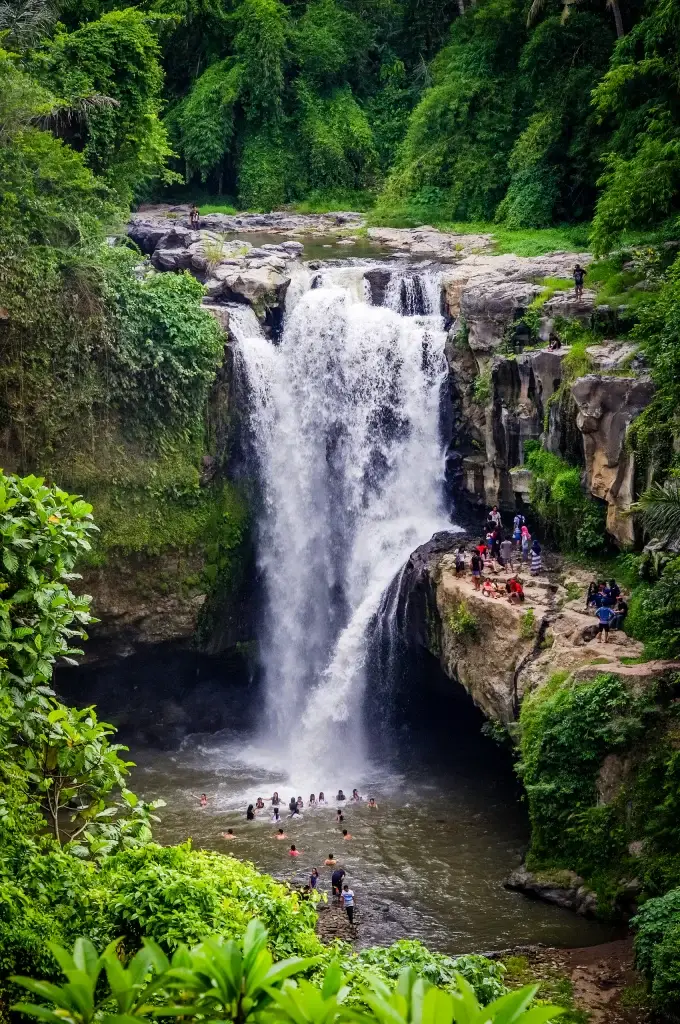
Overview
Lovina Bali: what to weigh first
Who it suits
For Lovina, the strongest fit is travellers who want slower north-coast days and who are comfortable being far from the airport and south Bali nightlife.
Why visit
Choose Lovina when you specifically want using one base for the north coast, nearby waterfalls and selected inland or hot-spring outings instead of attempting them all from the south.
Trade-offs
Before booking Lovina, accept this trade-off: the transfer is long, the beach experience is different from south Bali and the town is much quieter after dark than major resort areas.
How many days
Two or three nights is usually enough to justify the drive and add one full north Bali day beyond an early-morning activity.
Best areas
The useful Lovina location choice is Central Lovina is simplest for restaurants and tour pickups; outer beachfront areas can be calmer but less convenient without transport.
Where to stay
Beachfront hotels and smaller guesthouses suit the relaxed pace. Check whether early-morning activity pickups and onward transfers are included or easy to arrange.
Things to do
Dolphin trips are a well-known option, but waterfalls, Banjar-area outings and an unhurried coast day help prevent the stay becoming a one-activity stop.
Food
Restaurant choice is more modest than the south. Staying near the centre helps travellers who prefer walking to dinner.
Getting there and around
Lovina is reached by road from the south or central Bali, often through mountain routes. A private driver is practical for the transfer and can combine selected stops.
Best time
Marine trips need current sea-condition judgment, and waterfall routes can be slippery in rain. Early starts also feel cooler than a normal beach morning.
Suggested itinerary
Arrival with a relaxed evening, one early marine or nature day, then a second north Bali activity before continuing through the highlands or back south.
Nearby places
Munduk is the strongest highland partner, while Pemuteran can extend a quieter north-west route for travellers continuing farther west.
Local help
Boat operators, private drivers and local nature guides are the useful support categories; choose experiences around safety and group size rather than aggressive selling.
Related guides
From Lovina, open the matching stay, food, activity and itinerary guides.
Lovina is for a quieter north coast
Lovina suits travellers who want a calmer northern base, slower mornings and a different coastal character from south Bali. The area can work as a retreat, a route break or a gateway to north-coast landscapes. Its appeal is not a crowded schedule. It is the chance to let distance, water and village life create more space in the itinerary.
Plan carefully because the journey north changes the shape of the day. A short stay may not leave enough time to enjoy the destination after the transfer. Lovina is strongest when it has a clear role and enough time to be more than a roadside stop.
Who should choose Lovina
Lovina suits travellers who value quiet, couples seeking a slower base and visitors who want to combine the coast with waterfalls or northern scenery. It can suit families who prefer a less intense rhythm. It is less suitable for people who want the density of southern dining, nightlife or easy access to every major area.
Compare Munduk if hills and greenery are the main draw, or compare Sanur if you prefer an easier coastal base. The difference is the reason to choose Lovina.
Choose a Lovina stay by the return journey
- Near the coast: suits visitors who want dawn and evening walks close by.
- Village-accessible: suits travellers who want practical food and supplies nearby.
- Quiet inland edge: suits longer stays and visitors who value space more than convenience.
Ask how you will reach meals, how the arrival road handles luggage and what the plan is if a water activity changes. Avoid choosing a remote stay without understanding the transport routine it creates.
Build a north Bali day without promises
Plan around landscapes and local experiences you can control rather than promising a specific wildlife encounter. If a boat or nature activity is part of the plan, keep the day flexible and choose providers carefully without treating an uncertain sighting as the reason the whole trip must succeed.
Keep a second version of the day: a waterfall, coast, meal, rest period or nearby cultural stop. The first-time Bali planning guide can help you place Lovina alongside other destinations without creating too many long transfers.
Questions before staying in Lovina
Is Lovina worth the journey?
It is worth considering when a quiet northern chapter is part of the holiday. It is less useful as a rushed overnight stop with no time for the coast or local pace.
How many days are enough?
Allow a recovery period after arrival, one north-coast or nature-led day and enough time for the return route.
Make the choice work in the whole trip
The decision behind the page
The useful question behind Lovina is how to make a real trip easier, not how to collect more options. This page focuses on area, arrival time, daily movement and neighbourhood fit. Those decisions affect one another: a late arrival changes the first night, a long transfer changes the appetite for a busy afternoon, and a generous budget still cannot buy back energy lost to an overfilled route. Begin by naming the one outcome this page must support, then judge every suggestion against it.
Start with the person who carries the cost
Plans are often described as if everybody experiences them in the same way. They do not. A child, a cautious first-time visitor, a light sleeper, a traveller with limited mobility, a person avoiding certain foods or the member coordinating the group will notice different friction. Put that person into the decision early. If an option works for them without making the rest of the group miserable, it is usually a stronger shortlist than one chosen only for its headline appeal.
Separate the attractive from the useful
An attractive idea deserves a second question: what does it ask in return? The answer may be an early start, a long drive, a booking commitment, uncertain weather, extra equipment, or a return journey at the least convenient time. None of those costs automatically rules an option out. They simply need to be visible. A useful guide gives the reader permission to choose the smaller experience when it better protects the rest of the day.
Use a route before a list
Put the non-negotiable first, then add only what sits naturally beside it. This matters particularly for Lovina. A plan that repeatedly crosses the island may look full in a spreadsheet and feel thin in practice. Grouping by place reduces decisions, leaves more time for meals and rest, and gives weather or traffic somewhere to go. The route does not need to be rigid; it needs a clear spine and a sensible way to shorten the day.
Make a primary choice and a fallback
Choose one preferred version and one lower-friction alternative. The fallback should be easier in a specific way: closer, shorter, calmer, less weather-dependent, or easier for a person to leave early. Do not create five backups, because a large contingency list becomes another form of indecision. Confirm the detail that matters most, then stop researching when the remaining uncertainty is acceptable.
- Fit: match the choice to the people travelling.
- Condition: identify what could change the plan.
- Fallback: keep one easier version nearby.
Check the first and last hour
The beginning and end of a day reveal whether a plan is realistic. Where does the group wake up? How long does the first movement take? Is there food when people need it? Can the return happen without a forced late night? This check catches plans that look reasonable only because the map ignores traffic, queues, heat, changing clothes, finding a driver, or the simple need to pause.
A compact comparison method
Use four questions: who is this for, who will dislike it, what is the trade-off, and what is the next action? Apply them to each serious option. For Lovina, that makes the copy useful at the moment of choice instead of leaving the reader with a larger pile of names. It also keeps neighbouring pages separate: an area page can own the base, an activity page can own the experience, and a practical page can own the preparation.
| Question | Why it matters |
|---|---|
| Who is it for? | It clarifies the real audience. |
| Who may dislike it? | It exposes the mismatch early. |
| What is the trade-off? | It makes the cost visible. |
Keep the plan honest
Avoid promising a perfect day. A better plan says what is known, what depends on conditions and what remains the traveller’s judgement. Weather may alter a view, traffic may change a transfer, a venue may be full, and a group may simply want to stop. The plan is doing its job when those changes can be absorbed without making the whole trip feel like a failure.
The next useful step
After reading Lovina, take one action. Shortlist the option, check the relevant condition, reserve the time-sensitive part, or deliberately leave the choice open. Then return to the wider route and test whether the decision supports the next day. That final pass is where good travel advice becomes a usable plan: the choice has a place, a reason and a reasonable escape route.
Apply the advice without overplanning
Lovina becomes more useful when the reader turns it into one small decision at a time. Start with the constraint that cannot move, such as arrival, departure, a family need, a booked commitment or the amount of energy available. Then choose the option that supports that constraint with the least additional friction. This approach keeps the plan honest: it does not pretend every interesting possibility belongs in the same trip.
Next, check the part most likely to be misunderstood. That may be a distance that looks short on a map, a start time that assumes perfect sleep, a cost that excludes a necessary extra, or a recommendation that suits one kind of traveller but not another. Write the question down before you commit. A clear question produces a better answer than another hour of browsing, and it gives the person or venue helping you something specific to respond to.
Leave room for the day you actually have
Travel is not a test of how many planned items can survive. If the first part of the day runs late, the useful response is to protect the most meaningful element and release the least important one. Keep a nearby alternative, a quieter meal or a simple return route in reserve. The reader should be able to shorten the plan without feeling that the whole day has been wasted. That is especially important for Lovina, where timing and energy can change the value of otherwise sound advice.
Before finishing, make the next action visible: compare two options, confirm one condition, save the essential information offline, or decide that no booking is needed yet. Then stop. Good planning ends when the traveller can act with reasonable confidence, not when every possible question has been answered.
