
Bali With Kids: Plan the Family Trip
Bali with kids is easier when the route is built around recovery, short decision chains and a base that makes ordinary family needs simple. Choose fewer moves, leave space between major plans and judge accommodation by daily convenience as much as by its room.
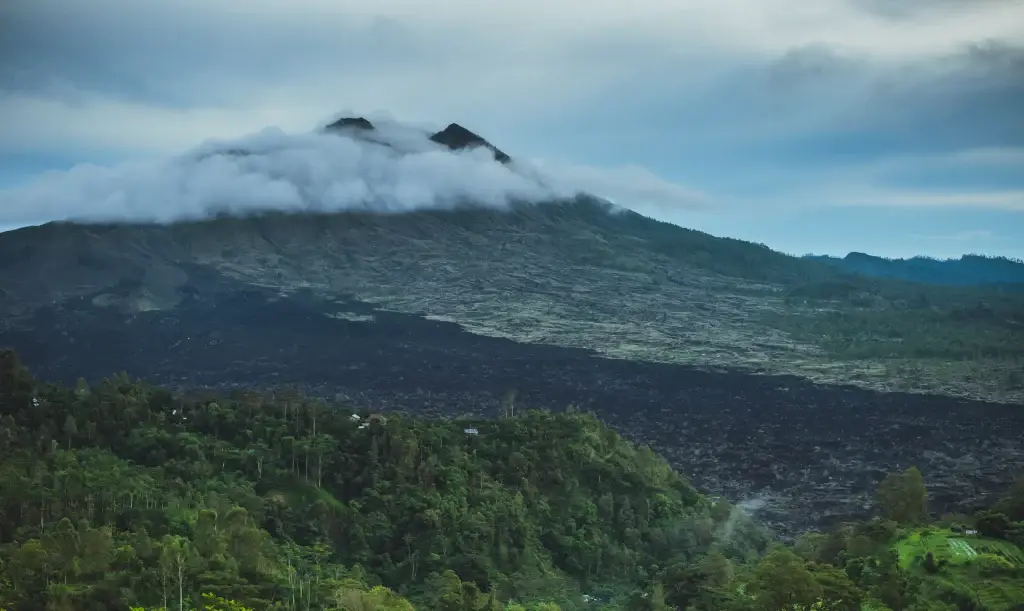
The family version of a Bali trip is not a list of adult activities with children attached. The day has to include food, shade, rest, bathrooms, bags, different energy levels and the possibility that the plan changes. A comfortable rhythm usually matters more than adding another destination.
Start with the Bali trip-planning hub, then compare trip length and number of bases before selecting accommodation.
The short answer for Bali with kids
Choose one main base for a short trip, or two bases when the contrast justifies the move. Keep the first day light, make one major plan the centre of a day and keep nearby alternatives ready. Select a stay where meals, rest and daily movement do not require a complicated journey every time.
Choose the pace before the attractions
Start by asking how your family normally handles travel days. Some children enjoy early starts and full activity days; others need familiar routines and a slower transition. Do not build the route around an idealised child who never gets tired, hungry, wet or bored.
Limit the number of fixed commitments. A family day can have one anchor, one easy supporting activity and open time. If the anchor runs long, the day remains workable. If it finishes early, the family can choose what happens next without turning the plan into a problem.
Pick a base that reduces friction
Location affects the whole family day. Look for a base that supports the meals, sleep pattern and activities you expect, rather than choosing by a room photograph alone. A convenient area may be worth more than a theoretical saving if it reduces long journeys with tired children.
Use Explore Bali to compare area fit, then review Bali accommodation guides and the best areas to stay in Bali. The right question is “can this base support our ordinary day?” not only “does this place look special?”
Build days children can actually enjoy
Alternate sensory intensity. A busy outing can be followed by a quieter morning. A long journey should not be surrounded by several other fixed plans. Build in a simple meal and a return option so the family can leave an activity without feeling that the entire day has failed.
Give children a clear idea of what happens next, especially during transfers and waiting. Small explanations can make an unfamiliar day feel more manageable. Keep one familiar item or routine where it genuinely helps, but do not try to carry the whole home into the suitcase.
Food, sleep and downtime
Food planning is part of route planning. Identify the kind of meals your family can manage when tired and keep a simple option near the accommodation. The Bali food and dining guides can help adults explore without making every meal a long expedition.
Routines do not need to be rigid to be useful. Keep the parts that help children settle, such as a familiar bedtime sequence, a predictable snack or a quiet pause before the next move. Then allow the location to change the rest of the day. A family can enjoy a new place without adapting to a completely different rhythm every few hours.
Check the practical needs of the youngest or least flexible traveller before choosing a base. The relevant questions may concern sleep, food, walking, heat, sensory load, access or distance to a quiet place. There is no single family-friendly standard that answers every family’s needs. Choose the base whose ordinary day you can describe honestly.
Protect sleep and downtime as deliberately as an excursion. If a late evening is important, make the next morning lighter. A family holiday often improves when the schedule contains fewer decisions at the moments when everyone is most tired.
Transport and safety decisions
Choose movement around group size, luggage, child age, comfort and the route you actually need. Avoid universal claims about a transport method or a safety situation; conditions and family circumstances vary. Keep children within your own supervision plan and use qualified personal advice for health or medical questions.
Prepare a simple transfer routine: who carries documents, who checks bags, what the children need during the journey and where the next pause will be. Routine reduces the number of small decisions that have to be made in motion.
Use the same approach for meals and transitions. Decide which parts of the day need a familiar option and which parts can be exploratory. A child who has had enough may not be rejecting the destination; they may be asking for a pause. Treat that signal as information about the route, not as a reason to add another planned reward.
Family route examples
| Family need | Route shape | What to protect |
|---|---|---|
| Short first visit | One base with nearby plans | Rest, easy meals and minimal packing. |
| Older children who enjoy variety | Two contrasting bases | A gentle transfer day and flexible activity choices. |
| Mixed ages or different energy | One main base with optional outings | Return options and quiet time. |
Compare the Bali itinerary guides for sequencing ideas, then adapt them rather than copying every stop. If your family is still choosing dates, read the best time to visit Bali guide with your outdoor priorities in mind.
Questions about Bali with kids
How many bases should a family use?
Fewer than an adult-only route usually needs. One base can be excellent for a short trip. Add another only when it offers a clear change and your family has enough time to move without losing recovery.
Should we plan every activity?
No. Choose the experiences that matter most and keep nearby alternatives. Children’s energy and interest can change, so flexibility is a practical part of the plan.
How can parents avoid an exhausting itinerary?
Reduce long transfers, place one anchor activity in a day and protect meals and sleep. A route that leaves room for a change of plan is easier to enjoy than one that succeeds only when nothing shifts.
Your next family-planning step
Write a normal family day before choosing a hotel: wake-up, breakfast, movement, activity, food, rest and evening. Choose the area that supports that day, then use the Bali packing list and travel checklist to prepare without overloading the trip.
Before booking, ask each adult what a successful family day looks like and compare the answers with the youngest traveller’s needs. That conversation can reveal whether a second base is worth the packing, whether a long outing needs more recovery and whether convenience should take priority over a more dramatic location.
Once the route is chosen, explain it to the children in a simple sequence they can understand: where you sleep, what the next day contains and when there will be time to rest. This does not make every day predictable, but it gives the family a shared frame when plans change.
Make the choice work in the whole trip
The decision behind the page
The useful question behind Bali With Kids is how to make a real trip easier, not how to collect more options. This page focuses on time, budget, people, route order and the amount of flexibility. Those decisions affect one another: a late arrival changes the first night, a long transfer changes the appetite for a busy afternoon, and a generous budget still cannot buy back energy lost to an overfilled route. Begin by naming the one outcome this page must support, then judge every suggestion against it.
Start with the person who carries the cost
Plans are often described as if everybody experiences them in the same way. They do not. A child, a cautious first-time visitor, a light sleeper, a traveller with limited mobility, a person avoiding certain foods or the member coordinating the group will notice different friction. Put that person into the decision early. If an option works for them without making the rest of the group miserable, it is usually a stronger shortlist than one chosen only for its headline appeal.
Separate the attractive from the useful
An attractive idea deserves a second question: what does it ask in return? The answer may be an early start, a long drive, a booking commitment, uncertain weather, extra equipment, or a return journey at the least convenient time. None of those costs automatically rules an option out. They simply need to be visible. A useful guide gives the reader permission to choose the smaller experience when it better protects the rest of the day.
Use a route before a list
Put the non-negotiable first, then add only what sits naturally beside it. This matters particularly for Bali With Kids. A plan that repeatedly crosses the island may look full in a spreadsheet and feel thin in practice. Grouping by place reduces decisions, leaves more time for meals and rest, and gives weather or traffic somewhere to go. The route does not need to be rigid; it needs a clear spine and a sensible way to shorten the day.
Make a primary choice and a fallback
Choose one preferred version and one lower-friction alternative. The fallback should be easier in a specific way: closer, shorter, calmer, less weather-dependent, or easier for a person to leave early. Do not create five backups, because a large contingency list becomes another form of indecision. Confirm the detail that matters most, then stop researching when the remaining uncertainty is acceptable.
- Fit: match the choice to the people travelling.
- Condition: identify what could change the plan.
- Fallback: keep one easier version nearby.
Check the first and last hour
The beginning and end of a day reveal whether a plan is realistic. Where does the group wake up? How long does the first movement take? Is there food when people need it? Can the return happen without a forced late night? This check catches plans that look reasonable only because the map ignores traffic, queues, heat, changing clothes, finding a driver, or the simple need to pause.
A compact comparison method
Use four questions: who is this for, who will dislike it, what is the trade-off, and what is the next action? Apply them to each serious option. For Bali With Kids, that makes the copy useful at the moment of choice instead of leaving the reader with a larger pile of names. It also keeps neighbouring pages separate: an area page can own the base, an activity page can own the experience, and a practical page can own the preparation.
| Question | Why it matters |
|---|---|
| Who is it for? | It clarifies the real audience. |
| Who may dislike it? | It exposes the mismatch early. |
| What is the trade-off? | It makes the cost visible. |
Keep the plan honest
Avoid promising a perfect day. A better plan says what is known, what depends on conditions and what remains the traveller’s judgement. Weather may alter a view, traffic may change a transfer, a venue may be full, and a group may simply want to stop. The plan is doing its job when those changes can be absorbed without making the whole trip feel like a failure.
The next useful step
After reading Bali With Kids, take one action. Shortlist the option, check the relevant condition, reserve the time-sensitive part, or deliberately leave the choice open. Then return to the wider route and test whether the decision supports the next day. That final pass is where good travel advice becomes a usable plan: the choice has a place, a reason and a reasonable escape route.
